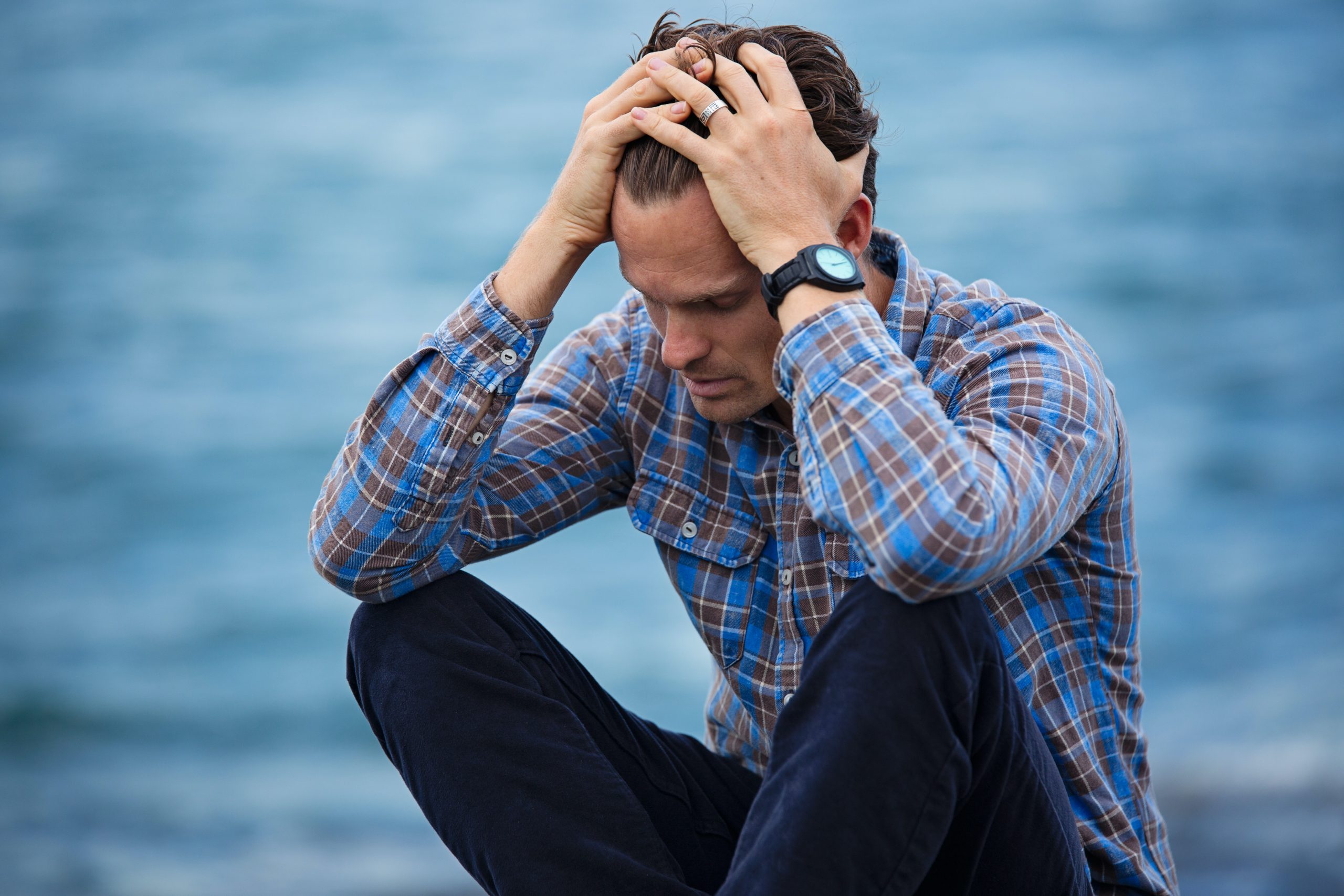


Feeling lonely when you are single makes intuitive sense. Feeling lonely while sharing your life, home, and perhaps even your bed with someone can be much harder to understand.
Relationship loneliness is not necessarily about how much time you spend together. It happens when the emotional connection you need from your partner no longer feels available. You may still talk, manage a household, raise children, socialize, and function well as a couple while privately feeling disconnected.
This can be particularly confusing when there has been no major betrayal or obvious relationship crisis. Sometimes couples simply look at each other one day and realize they have become excellent partners in managing life but have stopped feeling like intimate partners.
The good news is that emotional distance does not automatically mean a relationship is ending. Understanding how the disconnection developed can help couples determine what needs to change.
What Does Emotional Disconnection in a Relationship Feel Like?
Emotional disconnection is the feeling that your partner is no longer emotionally accessible to you, even though you are still together. Conversations may become practical rather than personal, affection may decrease, and attempts to connect may feel awkward or unsuccessful.
You may notice that you no longer tell your partner about things that happen during your day because you do not expect much of a response. When something exciting or upsetting happens, they may no longer be the first person you want to talk to.
- Feeling lonely when you are together
- Talking primarily about schedules, children, work, or household responsibilities
- Feeling misunderstood or emotionally unsupported
- Spending increasingly more time separately
- Decreased affection, intimacy, or sexual connection
- Avoiding difficult conversations because they never seem productive
- Feeling indifferent rather than upset when conflict occurs
- Turning to friends, family, work, or your phone for connection instead of your partner
One or two of these experiences does not necessarily indicate a serious relationship problem. The concern is when emotional distance becomes the normal state of the relationship rather than something temporary.
Why Do Couples Become Emotionally Disconnected?
Emotional disconnection usually develops gradually. Many couples cannot identify the exact moment they became distant because there was no single event that caused it.
Work demands, parenting, financial stress, health concerns, caregiving, and other responsibilities can slowly consume the time and energy that once went toward the relationship. Partners may assume they will reconnect once life settles down, but that moment often keeps getting postponed.
Unresolved conflict can also create distance. When attempts to discuss problems repeatedly result in arguments, defensiveness, criticism, or shutdown, couples may eventually stop bringing things up. That can reduce conflict temporarily, but it also reduces opportunities for emotional connection.
Sometimes disconnection develops because one or both partners stop feeling emotionally safe. If vulnerability has repeatedly been met with dismissal, criticism, or defensiveness, sharing less can begin to feel easier than risking another disappointing interaction.
Can You Love Someone and Still Feel Lonely With Them?
Yes. Love and emotional connection are related, but they are not the same thing.
You can care deeply about your partner while feeling disconnected from them. Couples may remain committed to each other, share important values, and genuinely want the relationship to work while still struggling to access the closeness they once had.
This distinction matters because people sometimes interpret loneliness as proof that they no longer love their partner. That can create additional anxiety when the real issue may be that the relationship needs more emotional engagement, vulnerability, and intentional connection.
The more useful question may not be, “Do I still love my partner?” Instead, ask, “What is preventing us from feeling connected right now?”
Why Doesn’t Spending More Time Together Always Fix It?
More time together can help, but physical proximity does not automatically create emotional intimacy. A couple can spend an entire weekend together while barely connecting beyond logistics, television, errands, or scrolling on their phones.
Emotional connection requires some degree of attention and responsiveness. It happens when partners feel heard, understood, appreciated, desired, or emotionally supported by one another.
This is why simply scheduling more date nights does not always solve emotional disconnection. Date nights can create opportunities for connection, but couples may also need to address the patterns that are preventing them from connecting when they are together.
If unresolved resentment follows you to dinner, changing the location does not necessarily change the relationship dynamic.
How Do Small Moments of Disconnection Add Up?
Relationships are shaped by hundreds of small interactions. A partner shares something about their day, reaches for affection, makes a joke, expresses frustration, or asks for attention. The other partner can respond, miss the attempt, dismiss it, or turn away.
Missing these moments occasionally is normal. Nobody can be emotionally available all the time.
Problems can develop when missed connections become the dominant pattern. One partner may eventually stop reaching out because they expect disappointment, while the other may interpret that withdrawal as a lack of interest. Both partners then become increasingly cautious about initiating connection.
This can create a cycle where each person is waiting for the other to make the first move.
Why Do Some Couples Stop Talking About Their Problems?
Sometimes couples stop arguing because they have resolved their issues. Other times, they stop because they have given up trying to resolve them.
Repeatedly having the same argument without reaching an understanding can be exhausting. One or both partners may eventually decide that bringing up the problem is not worth the conflict that follows.
The relationship may actually appear calmer during this stage. Underneath that calm, however, there may be significant resentment, loneliness, or resignation.
Conflict itself is not necessarily a sign that a relationship is unhealthy. The ability to repair after conflict is often more important. Couples need to know they can disagree, express hurt, and eventually find their way back to each other.
Is Emotional Disconnection the Same as Falling Out of Love?
Not necessarily.
Feelings of closeness naturally change throughout long-term relationships. Stress, parenting, grief, career demands, unresolved conflict, and major life transitions can temporarily make a relationship feel very different.
Emotional disconnection becomes more concerning when neither partner is interested in understanding or repairing it. If both people still care about the relationship and want to feel closer, there is something meaningful to work with.
It can also be difficult to accurately evaluate your feelings while resentment or chronic conflict is dominating the relationship. Addressing those patterns may reveal that the connection was buried rather than gone.
How Can Couples Start Reconnecting Emotionally?
Reconnection usually does not begin with a grand romantic gesture. It begins with changing the everyday interactions that created the distance.
Start by becoming curious about your partner again. Ask questions that are not about responsibilities or schedules, and listen without immediately offering solutions. Share what has been happening internally for you rather than only discussing what your partner is doing wrong.
It can also help to identify the cycle rather than assigning blame. Instead of saying, “You never talk to me anymore,” you might say, “I’ve noticed we’ve both been keeping more to ourselves lately, and I miss feeling close to you.”
That difference matters. One statement invites defensiveness. The other invites conversation.
Rebuilding affection can also start small. Sitting closer, greeting each other intentionally, expressing appreciation, checking in during the day, or spending 15 uninterrupted minutes talking can begin restoring a sense of partnership.
When Should You Consider Couples Therapy?
You do not have to wait until your relationship is on the verge of ending to consider couples therapy. In many cases, getting support while both partners still want to reconnect can make the work easier.
Couples therapy may be helpful when you repeatedly have the same arguments, feel emotionally distant despite attempts to reconnect, avoid important conversations, struggle with intimacy, or feel more like roommates than romantic partners.
Therapy provides a place to slow down the patterns that are difficult to see when you are inside them. Instead of determining who is right or wrong, the goal is to understand what happens between you and why both partners keep getting pulled into the same cycle.
For some couples, the issue is not a lack of love. They have simply lost access to the ways they once communicated that love to each other.
Rebuilding Connection in Your Relationship
Feeling lonely in a relationship can be painful, particularly when you remember how connected you once felt. But emotional distance is not automatically evidence that the relationship has failed.
It can be a signal that something in the relationship needs attention.
If you and your partner have been feeling increasingly disconnected, California Integrative Therapy provides couples therapy to help partners better understand their relationship patterns, work through unresolved issues, and rebuild emotional intimacy. You do not have to wait for a crisis to start working on your relationship. Reach out to schedule a consultation and learn more about couples therapy at California Integrative Therapy.